


Choosing a criminal defense attorney is one of the most crucial decisions you’ll make if you’re facing criminal charges. Your lawyer will be your advocate, advisor, and protector throughout the legal process. It’s essential to find someone with the right experience, skills, and approach to represent you effectively. The stakes are high, and a skilled attorney can significantly impact the outcome of your case, potentially minimizing penalties, avoiding conviction, or even getting the charges dismissed altogether. Therefore, taking the time to carefully evaluate potential attorneys and ask the right questions is a worthwhile investment in your future. If you are unsure where to start, remember that choosing the right criminal defense attorney is a personal decision.


Experience and Expertise
One of the first things you should explore is the attorney’s experience in handling cases similar to yours. Criminal law is a broad field, and attorneys often specialize in specific areas, such as DUI, drug offenses, assault, or white-collar crimes. Ask the attorney how long they have been practicing criminal law and what percentage of their practice is dedicated to criminal defense. Inquire about their experience with the specific charges you are facing. For instance, if you’re charged with a DUI, you’ll want an attorney who has handled numerous DUI cases and is familiar with the specific laws and procedures in your jurisdiction. It’s also helpful to ask about their track record – what types of outcomes have they achieved for clients in similar situations? While past results are not a guarantee of future success, they can provide valuable insight into the attorney’s capabilities and effectiveness. Understanding their experience level will help you gauge their ability to navigate the complexities of your case.
Case Strategy and Communication
Understanding the attorney’s approach to your case is crucial. Ask them to outline their initial strategy based on the information you’ve provided. How do they plan to investigate the charges against you? What potential defenses might be available? What are the possible outcomes, and what steps will they take to achieve the best possible result? It’s also important to assess their communication style. Do they explain legal concepts clearly and understandably? Are they responsive to your questions and concerns? Will they keep you informed about the progress of your case and any significant developments? A good attorney will be proactive in communicating with you and will be available to answer your questions throughout the process. Effective communication is essential for building trust and ensuring that you are actively involved in your defense. Remember to assess their communication skills, as a strong attorney-client relationship is essential.

Fees and Costs
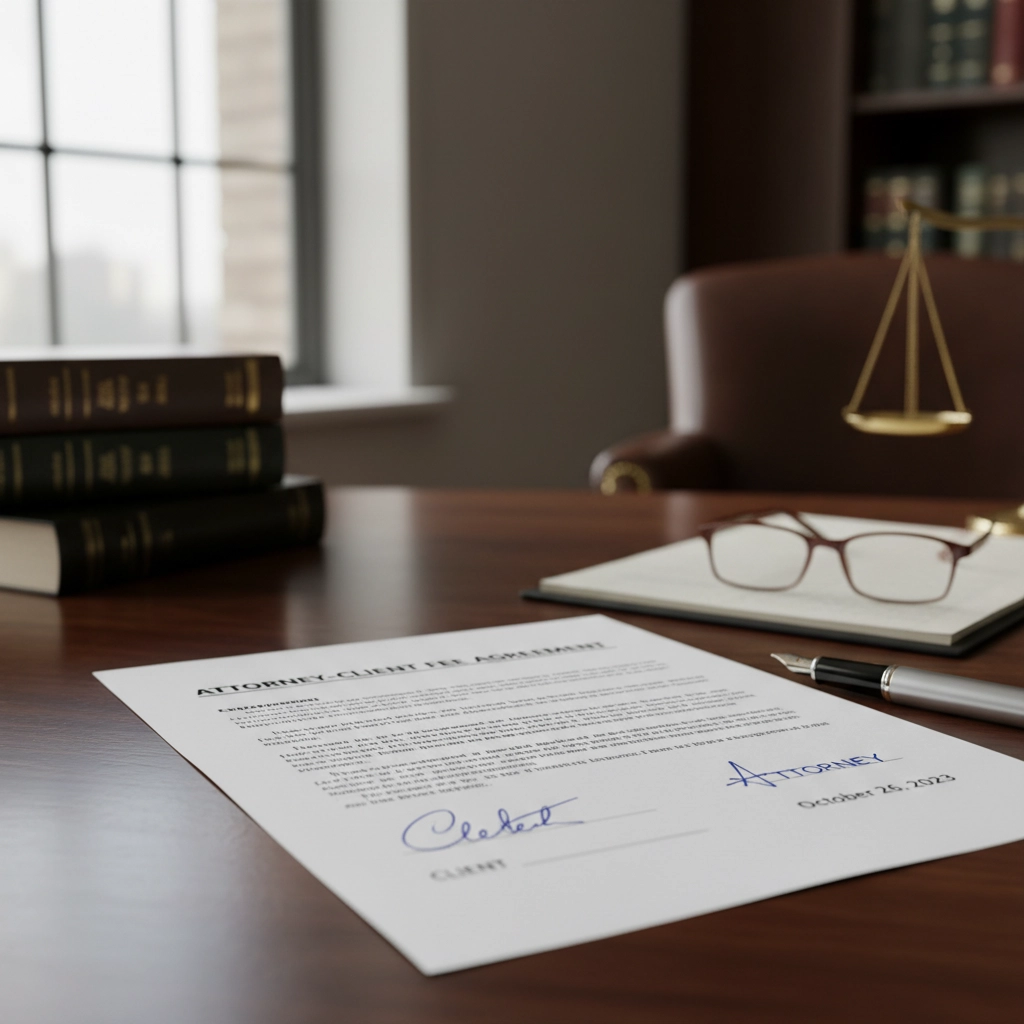
Discussing fees and costs upfront is essential to avoid any surprises later on. Ask the attorney about their fee structure. Do they charge an hourly rate, a flat fee, or a contingency fee? What is included in their fee, and what additional costs might you be responsible for, such as court filing fees, expert witness fees, or investigation expenses? Get a clear understanding of the total estimated cost of your defense and the payment schedule. It’s also a good idea to ask about their policy on refunds if you decide to terminate the representation before the case is resolved. While cost is certainly a factor to consider, it shouldn’t be the only determining factor. The most expensive attorney isn’t necessarily the best, and the cheapest attorney may not provide the level of representation you need. Focus on finding an attorney who offers a fair price for their experience and expertise.
Courtroom Experience and Reputation
An attorney’s courtroom experience and reputation within the legal community can significantly impact your case. Ask the attorney how often they go to court and whether they have experience litigating cases before a judge and jury. A skilled trial attorney will be comfortable presenting evidence, cross-examining witnesses, and arguing your case effectively in court. It’s also helpful to research the attorney’s reputation among other attorneys, judges, and prosecutors. You can often find reviews and ratings online, or you can ask other attorneys for their opinions. A well-respected attorney is more likely to be able to negotiate favorable plea deals and to be taken seriously by the court. Furthermore, familiarity with local court procedures and personnel can be a valuable asset in navigating the legal system.


Resources and Support Staff
Inquire about the resources and support staff that the attorney has available. Does the attorney have a dedicated team of paralegals, investigators, or other professionals who can assist with your case? Access to these resources can be invaluable in gathering evidence, interviewing witnesses, and building a strong defense. For example, a skilled investigator can help uncover inconsistencies in the prosecution’s case or locate witnesses who can testify on your behalf. A knowledgeable paralegal can assist with legal research, document preparation, and other essential tasks. The availability of adequate resources can free up the attorney to focus on the most critical aspects of your case.
Conflicts of Interest and Ethical Considerations
Before hiring an attorney, it’s crucial to ensure that there are no conflicts of interest. Ask the attorney to conduct a thorough conflicts check to ensure that they haven’t represented any parties involved in your case, such as witnesses or co-defendants. Representing conflicting interests can compromise the attorney’s ability to provide you with unbiased and effective representation. It’s also important to discuss the attorney’s ethical obligations and how they will handle confidential information. A good attorney will be committed to upholding the highest ethical standards and will protect your privacy throughout the legal process. Understanding these aspects ensures that your representation is both legally sound and ethically responsible. Remember to also check the attorney’s reputation within the legal community.
Ultimately, selecting the right criminal defense attorney requires careful consideration and thorough research. By asking the right questions and evaluating the attorney’s experience, skills, and approach, you can make an informed decision and choose someone who will effectively represent your interests and fight for the best possible outcome in your case. Remember to trust your instincts and choose an attorney with whom you feel comfortable and confident. The attorney-client relationship is built on trust and open communication, so it’s essential to find someone who you feel you can confide in and who will listen to your concerns. With the right legal representation, you can navigate the complexities of the criminal justice system and protect your rights.