



Introduction to Environmental Public Interest Litigation
Environmental Public Interest Litigation (PIL) stands as a critical legal mechanism for safeguarding our planet. It empowers individuals and organizations to bring environmental concerns before the courts, acting as a voice for the voiceless – the environment itself. This form of litigation plays a crucial role in holding governments and corporations accountable for their environmental impact, promoting sustainable practices, and enforcing environmental laws. It provides a platform to challenge actions that degrade the environment, impacting present and future generations. By understanding the principles and procedures of environmental PIL, citizens can actively participate in protecting our natural resources and ensuring a healthier, more sustainable world for all.


The Scope of Environmental Concerns Addressed
Environmental PIL encompasses a wide array of environmental issues, reflecting the multifaceted nature of environmental degradation. These issues range from air and water pollution to deforestation, illegal mining, and the destruction of biodiversity. PIL can be used to address specific projects or activities that violate environmental regulations, as well as broader systemic issues that contribute to environmental harm. For instance, a PIL might challenge the environmental clearance granted to a polluting factory, or it might seek to compel the government to implement stricter air quality standards. The versatility of environmental PIL makes it an invaluable tool for tackling diverse environmental challenges and promoting environmental justice. By bringing these issues to the forefront of legal discourse, PIL helps raise public awareness and encourages proactive measures to protect the environment.
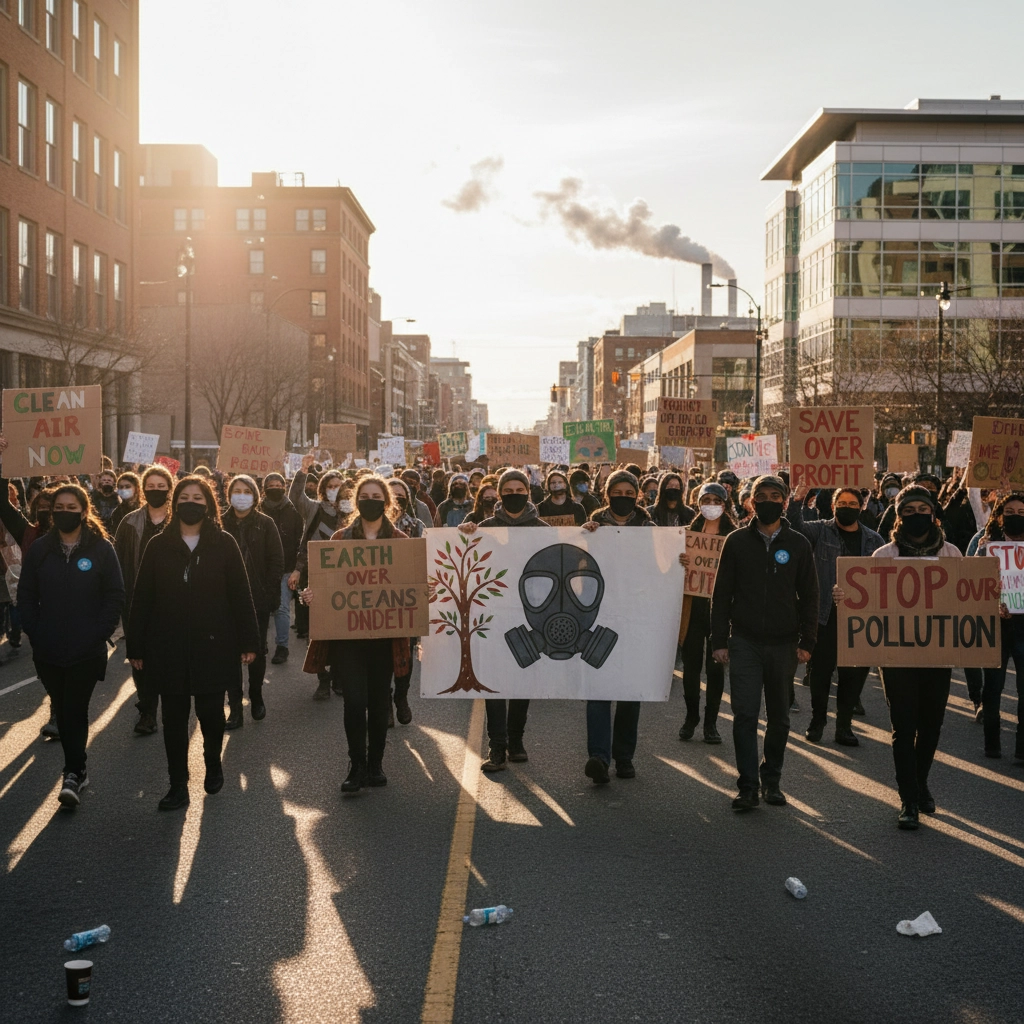
Individuals or organizations can bring matters of public concern before the courts

Key Principles Guiding Environmental PIL
Several key principles underpin the application of environmental PIL. These principles guide the courts in adjudicating environmental disputes and ensure that environmental concerns are given due consideration. One fundamental principle is the precautionary principle, which dictates that in the face of potential environmental harm, lack of full scientific certainty should not be used as a reason for postponing measures to prevent environmental degradation. Another important principle is the polluter pays principle, which holds that those who cause pollution should bear the costs of remediating the damage. The principle of sustainable development emphasizes the need to balance economic development with environmental protection and social equity. These principles provide a framework for courts to assess the environmental impact of proposed projects and activities and to ensure that environmental considerations are integrated into decision-making processes.
They also allow concerned citizens to bring matters of environmental degradation before the courts, seeking redress for violations of environmental laws.


Initiating and Pursuing Environmental PIL
The process of initiating and pursuing environmental PIL involves several key steps. First, it is crucial to identify a genuine environmental issue that warrants legal intervention. This often requires gathering evidence of environmental harm, such as pollution levels, deforestation rates, or the impact on local communities. Next, a petition must be drafted and filed before the appropriate court, outlining the facts of the case, the legal grounds for the challenge, and the relief sought. It is important to demonstrate that the petitioner has a genuine interest in the matter and is acting in the public interest. Once the petition is admitted, the court may issue notices to the relevant authorities, seeking their responses. The court will then hear arguments from both sides and may appoint expert committees to assess the environmental impact of the project or activity in question. Throughout the process, it is essential to present compelling evidence and legal arguments to persuade the court that environmental protection is paramount.
Challenges and Limitations of Environmental PIL
While environmental PIL is a powerful tool, it also faces certain challenges and limitations. One major challenge is the often lengthy and complex nature of legal proceedings, which can be resource-intensive and time-consuming. Another challenge is the difficulty in proving direct causation between a specific activity and environmental harm, particularly in cases involving diffuse pollution or long-term environmental effects. Furthermore, the effectiveness of environmental PIL depends on the willingness of the courts to take a proactive approach to environmental protection and to enforce environmental laws rigorously. There may also be instances where political or economic considerations influence judicial decisions, limiting the impact of PIL. Despite these challenges, environmental PIL remains an essential mechanism for holding governments and corporations accountable and promoting environmental sustainability.
The PIL petition is the cornerstone of your legal action and must be drafted meticulously.
Conclusion: The Enduring Importance of Environmental PIL
Environmental PIL serves as an indispensable legal instrument for safeguarding our planet’s resources and promoting environmental justice. By empowering citizens and organizations to challenge environmentally harmful activities, it fosters accountability and encourages sustainable practices. While challenges and limitations exist, the potential of environmental PIL to effect positive change remains significant. As environmental threats continue to escalate, the importance of leveraging legal avenues to protect our planet becomes ever more critical, ensuring a healthier and more sustainable future for all.
Environmental Law: Protecting Endangered Species
Introduction: The Importance of Endangered Species Law
Endangered species law is a critical component of environmental protection, designed to safeguard plant and animal species facing extinction. These laws recognize the intrinsic value of biodiversity and the importance of maintaining healthy ecosystems. Protecting endangered species is not only an ethical imperative but also essential for human well-being, as these species play vital roles in ecosystem services such as pollination, seed dispersal, and water purification. Endangered species laws provide a legal framework for identifying and protecting vulnerable species, conserving their habitats, and preventing further decline in their populations. Understanding the principles and provisions of endangered species law is crucial for promoting biodiversity conservation and ensuring a sustainable future.
The Core Principles of Endangered Species Protection
Several core principles underpin endangered species protection laws. The most fundamental principle is the recognition that all species have intrinsic value and deserve protection, regardless of their economic or utilitarian value. Another key principle is the precautionary principle, which dictates that in the face of uncertainty about the impact of human activities on endangered species, measures should be taken to avoid or minimize potential harm. The principle of ecosystem management emphasizes the need to protect not only individual species but also the habitats and ecosystems on which they depend. These principles guide the development and implementation of endangered species laws and ensure that conservation efforts are based on sound scientific principles and ethical considerations.
Key Legislation: The Endangered Species Act (ESA)
The Endangered Species Act (ESA) in the United States stands as a landmark piece of legislation for protecting endangered and threatened species. Enacted in 1973, the ESA provides a framework for identifying and listing species at risk of extinction, designating critical habitat for their survival, and prohibiting activities that harm or harass these species. The ESA also requires federal agencies to consult with the U.S. Fish and Wildlife Service (USFWS) or the National Marine Fisheries Service (NMFS) to ensure that their actions do not jeopardize listed species or their critical habitat. The ESA has been credited with preventing the extinction of numerous species, including the bald eagle, the gray wolf, and the California condor. Its provisions have been the subject of considerable debate and litigation, but it remains a cornerstone of endangered species protection in the United States.
International Treaties for Species Conservation
In addition to national laws, several international treaties play a crucial role in species conservation. The Convention on International Trade in Endangered Species of Wild Fauna and Flora (CITES) is an international agreement that regulates the trade in endangered species and their products. CITES aims to prevent the overexploitation of endangered species by ensuring that international trade does not threaten their survival. The Convention on Biological Diversity (CBD) is another important treaty that promotes the conservation of biodiversity, the sustainable use of its components, and the fair and equitable sharing of the benefits arising from the utilization of genetic resources. These international agreements provide a framework for cooperation among nations to protect endangered species and their habitats on a global scale.
Challenges in Enforcing Endangered Species Laws
Enforcing endangered species laws presents numerous challenges. One significant challenge is the difficulty in monitoring and preventing illegal activities, such as poaching and habitat destruction, particularly in remote or inaccessible areas. Another challenge is the potential for conflicts between conservation efforts and economic development, as protecting endangered species may require restrictions on land use, resource extraction, or other activities. Furthermore, the effectiveness of endangered species laws depends on adequate funding for research, monitoring, and enforcement activities. Addressing these challenges requires a multifaceted approach that involves collaboration among government agencies, conservation organizations, local communities, and private landowners.
Conclusion: Ensuring a Future for Endangered Species
Endangered species laws are essential for protecting biodiversity and ensuring the survival of vulnerable plant and animal species. By providing a legal framework for identifying and protecting endangered species, conserving their habitats, and preventing harmful activities, these laws play a crucial role in maintaining healthy ecosystems and promoting sustainable development. While challenges remain in enforcing endangered species laws, the commitment to protecting biodiversity is a shared responsibility that requires continued effort and collaboration among all stakeholders. Only through concerted action can we ensure a future for endangered species and preserve the natural heritage of our planet.
Climate Change Litigation: Holding Polluters Accountable
Introduction: The Rise of Climate Change Litigation
Climate change litigation is an increasingly important legal strategy for addressing the global climate crisis. It involves bringing lawsuits against governments, corporations, and other entities to hold them accountable for their contributions to climate change and to compel them to take action to reduce greenhouse gas emissions. Climate change litigation is being pursued in courts around the world, with cases ranging from challenges to specific fossil fuel projects to broader claims of negligence and breach of duty. This form of litigation is driven by a growing sense of urgency about the need to address climate change and a recognition that legal action can be a powerful tool for driving policy change and promoting corporate responsibility.
Legal Theories Supporting Climate Change Lawsuits
Several legal theories are being used to support climate change lawsuits. One common theory is negligence, which alleges that defendants have failed to exercise reasonable care to prevent foreseeable harm from climate change. Another theory is public nuisance, which asserts that defendants’ activities have unreasonably interfered with the public’s right to a safe and healthy environment. Some lawsuits also rely on human rights arguments, claiming that climate change violates fundamental rights to life, health, and property. Additionally, some cases are based on consumer protection laws, alleging that companies have misled the public about the environmental impacts of their products. The specific legal theories used in a climate change lawsuit will depend on the facts of the case and the applicable laws in the jurisdiction where the lawsuit is filed.
Landmark Climate Change Cases and Their Impact
Several landmark climate change cases have had a significant impact on the development of climate law and policy. Massachusetts v. Environmental Protection Agency (EPA) was a landmark case in which the U.S. Supreme Court ruled that the EPA has the authority to regulate greenhouse gas emissions under the Clean Air Act. This decision paved the way for the EPA to implement regulations to reduce greenhouse gas emissions from power plants and other sources. Another important case is Urgenda Foundation v. State of the Netherlands, in which a Dutch court ordered the government to reduce greenhouse gas emissions more aggressively, finding that its existing targets were insufficient to protect citizens from the impacts of climate change. These cases demonstrate the potential of climate change litigation to drive policy change and hold governments accountable for their climate commitments.
Challenges in Climate Change Litigation
Climate change litigation faces several significant challenges. One major challenge is establishing causation between specific emissions and specific climate change impacts. Climate change is a complex global phenomenon, and it can be difficult to prove that a particular defendant’s actions directly caused a specific harm. Another challenge is overcoming legal doctrines such as standing, which requires plaintiffs to demonstrate that they have suffered a direct and concrete injury as a result of the defendant’s actions. Furthermore, climate change lawsuits often involve complex scientific and technical issues, which can be difficult for courts to understand and resolve. Despite these challenges, climate change litigation continues to evolve and become an increasingly important tool for addressing the climate crisis.
As this guide demonstrates, individuals or organizations can bring matters of public concern before the courts.
The Role of Strategic Litigation in Climate Action
Strategic litigation plays a crucial role in advancing climate action. It can be used to raise public awareness about the impacts of climate change, to pressure governments and corporations to adopt more ambitious climate policies, and to hold polluters accountable for their actions. Strategic litigation can also help to clarify legal principles and establish precedents that can be used in future cases. By bringing climate change issues before the courts, strategic litigation can help to shape public discourse and create momentum for climate action. It is an important complement to other strategies for addressing climate change, such as advocacy, activism, and policy reform.
Conclusion: The Future of Climate Change Litigation
Climate change litigation is a rapidly evolving field with the potential to play a significant role in addressing the global climate crisis. As scientific understanding of climate change improves and the impacts of climate change become more apparent, the legal basis for climate change lawsuits is likely to strengthen. Climate change litigation is likely to continue to be pursued in courts around the world, with cases focusing on a wide range of issues, including emissions reductions, adaptation measures, and liability for climate change damages. As climate change litigation continues to develop, it will be essential to address the challenges and limitations of this approach and to ensure that it is used effectively to promote climate action and environmental justice.
Filing a PIL is a significant undertaking that requires careful preparation.
International Environmental Law: Global Cooperation for Sustainability
Introduction: The Need for International Environmental Law
International Environmental Law (IEL) is a body of legal principles, rules, and agreements that govern the relationship between states and other actors with respect to the environment. It arises from the recognition that many environmental problems are transboundary in nature and require international cooperation to address effectively. Issues such as climate change, biodiversity loss, and marine pollution cannot be solved by individual nations acting alone; they demand coordinated action at the global level. International environmental law provides a framework for states to work together to protect the environment, promote sustainable development, and prevent environmental harm.
Sources and Principles of International Environmental Law
The sources of international environmental law include treaties, customary international law, general principles of law, and judicial decisions. Treaties are formal agreements between states that create legally binding obligations. Customary international law arises from the consistent practice of states, accepted as law. General principles of law are fundamental legal principles recognized by most nations. Judicial decisions, particularly those of international courts and tribunals, can also contribute to the development of international environmental law. Key principles of IEL include the principle of state sovereignty, the principle of good neighborliness, the precautionary principle, the polluter pays principle, and the principle of common but differentiated responsibilities. These principles guide the interpretation and application of international environmental law.
Key International Environmental Agreements
Numerous international environmental agreements address a wide range of environmental issues. The United Nations Framework Convention on Climate Change (UNFCCC) is the primary international treaty for addressing climate change. The UNFCCC establishes a framework for international cooperation to reduce greenhouse gas emissions and adapt to the impacts of climate change. The Convention on Biological Diversity (CBD) promotes the conservation of biodiversity, the sustainable use of its components, and the fair and equitable sharing of the benefits arising from the utilization of genetic resources. The Montreal Protocol on Substances That Deplete the Ozone Layer is a highly successful international agreement that has phased out the production and consumption of ozone-depleting substances. These agreements demonstrate the potential for international cooperation to address global environmental challenges.
Enforcement Mechanisms in International Environmental Law
Enforcement of international environmental law is a complex and challenging issue. Unlike domestic law, there is no global police force or court with compulsory jurisdiction to enforce international environmental agreements. Enforcement relies primarily on the cooperation of states and the use of mechanisms such as reporting requirements, monitoring and verification procedures, and dispute resolution mechanisms. Some international environmental agreements also include trade sanctions or other economic incentives to encourage compliance. However, the effectiveness of these enforcement mechanisms depends on the willingness of states to comply with their obligations and the availability of resources for monitoring and enforcement activities.
Challenges and Future Directions of International Environmental Law
International environmental law faces several significant challenges. One challenge is the lack of effective enforcement mechanisms, which can undermine the implementation of international environmental agreements. Another challenge is the difficulty in achieving consensus among states on environmental issues, particularly when economic interests are at stake. Furthermore, international environmental law must adapt to new and emerging environmental challenges, such as plastic pollution, biodiversity loss, and the impacts of climate change. The future of international environmental law will depend on strengthening enforcement mechanisms, promoting greater international cooperation, and developing innovative legal approaches to address complex environmental problems.
Conclusion: The Importance of Global Environmental Governance
International environmental law is essential for addressing transboundary environmental problems and promoting global sustainability. By providing a framework for international cooperation, it enables states to work together to protect the environment, conserve natural resources, and prevent environmental harm. While challenges remain in enforcing international environmental law, the commitment to global environmental governance is crucial for ensuring a healthy planet for present and future generations. Only through concerted action at the international level can we address the complex environmental challenges facing the world today and create a more sustainable future for all.
Environmental Justice: Addressing Disproportionate Impacts
Introduction: Defining Environmental Justice
Environmental justice is the fair treatment and meaningful involvement of all people regardless of race, color, national origin, or income, with respect to the development, implementation, and enforcement of environmental laws, regulations, and policies. It addresses the disproportionate environmental burdens that are often borne by low-income communities and communities of color, who may be exposed to higher levels of pollution, toxic waste, and other environmental hazards. Environmental justice seeks to ensure that all communities have equal access to environmental benefits, such as clean air and water, healthy food, and safe places to live, work, and play.
The Historical Roots of Environmental Injustice
The roots of environmental injustice can be traced back to historical patterns of discrimination and segregation that have concentrated low-income communities and communities of color in areas with greater environmental risks. These communities have often been excluded from decision-making processes related to environmental policy and land use planning, resulting in the siting of polluting facilities and other environmental hazards in their neighborhoods. Redlining, discriminatory housing policies, and other forms of systemic racism have contributed to the unequal distribution of environmental burdens. Understanding the historical context of environmental injustice is essential for developing effective strategies to address its root causes.
Key Principles of Environmental Justice
Several key principles guide the pursuit of environmental justice. One fundamental principle is the right to a healthy environment for all people, regardless of their race, ethnicity, or socioeconomic status. Another principle is the need for meaningful community involvement in environmental decision-making, ensuring that affected communities have a voice in the development and implementation of environmental policies. The principle of equitable distribution of environmental benefits and burdens requires that environmental policies and practices do not disproportionately harm or benefit any particular group or community. These principles provide a framework for promoting environmental equity and ensuring that all communities have the opportunity to thrive in a healthy and sustainable environment.
This is similar to understanding public interest litigation.
Legal and Policy Frameworks for Environmental Justice
Several legal and policy frameworks support the pursuit of environmental justice. In the United States, Executive Order 12898, issued in 1994, directs federal agencies to address environmental justice issues in their policies and programs. Title VI of the Civil Rights Act of 1964 prohibits discrimination based on race, color, or national origin in programs and activities receiving federal funding, and it has been used to challenge discriminatory environmental practices. Some states and local governments have also enacted environmental justice laws and policies to address disproportionate environmental impacts. These legal and policy frameworks provide tools for promoting environmental equity and holding polluters accountable for harming vulnerable communities.
Challenges in Achieving Environmental Justice
Achieving environmental justice presents numerous challenges. One major challenge is overcoming systemic racism and other forms of discrimination that perpetuate environmental inequality. Another challenge is ensuring meaningful community involvement in environmental decision-making, particularly in communities that have historically been marginalized or excluded. Furthermore, addressing environmental justice requires addressing the underlying social and economic factors that contribute to environmental vulnerability, such as poverty, lack of access to healthcare, and limited educational opportunities. Overcoming these challenges requires a multifaceted approach that involves collaboration among government agencies, community organizations, environmental groups, and private sector actors.
Ethical considerations are paramount in promoting environmental equality.
Conclusion: The Ongoing Pursuit of Environmental Equity
Environmental justice is an ongoing pursuit that requires sustained effort and commitment. By addressing the disproportionate environmental burdens that are borne by low-income communities and communities of color, we can create a more just and equitable society for all. Promoting environmental justice requires not only addressing the immediate environmental problems facing vulnerable communities but also addressing the underlying social, economic, and political factors that contribute to environmental inequality. Only through concerted action can we ensure that all communities have the opportunity to thrive in a healthy and sustainable environment.