



Introduction to Will Execution Challenges
Challenging a will based on improper execution is a serious legal matter that can have significant consequences for the distribution of an estate. When a will is not executed according to the specific legal requirements of the jurisdiction in which it was created, it can be deemed invalid, leading to the estate being distributed according to the laws of intestacy, or a prior valid will if one exists. This means that the deceased’s wishes as expressed in the improperly executed will may be disregarded entirely. Understanding the common mistakes that lead to challenges and the legal requirements for valid execution is crucial for both testators creating wills and beneficiaries who may need to contest them. For those considering such action, it’s important to be familiar with will contests. This overview provides insights into the grounds for challenging a will based on improper execution and the legal framework surrounding these disputes.


Witness Requirements for Valid Wills
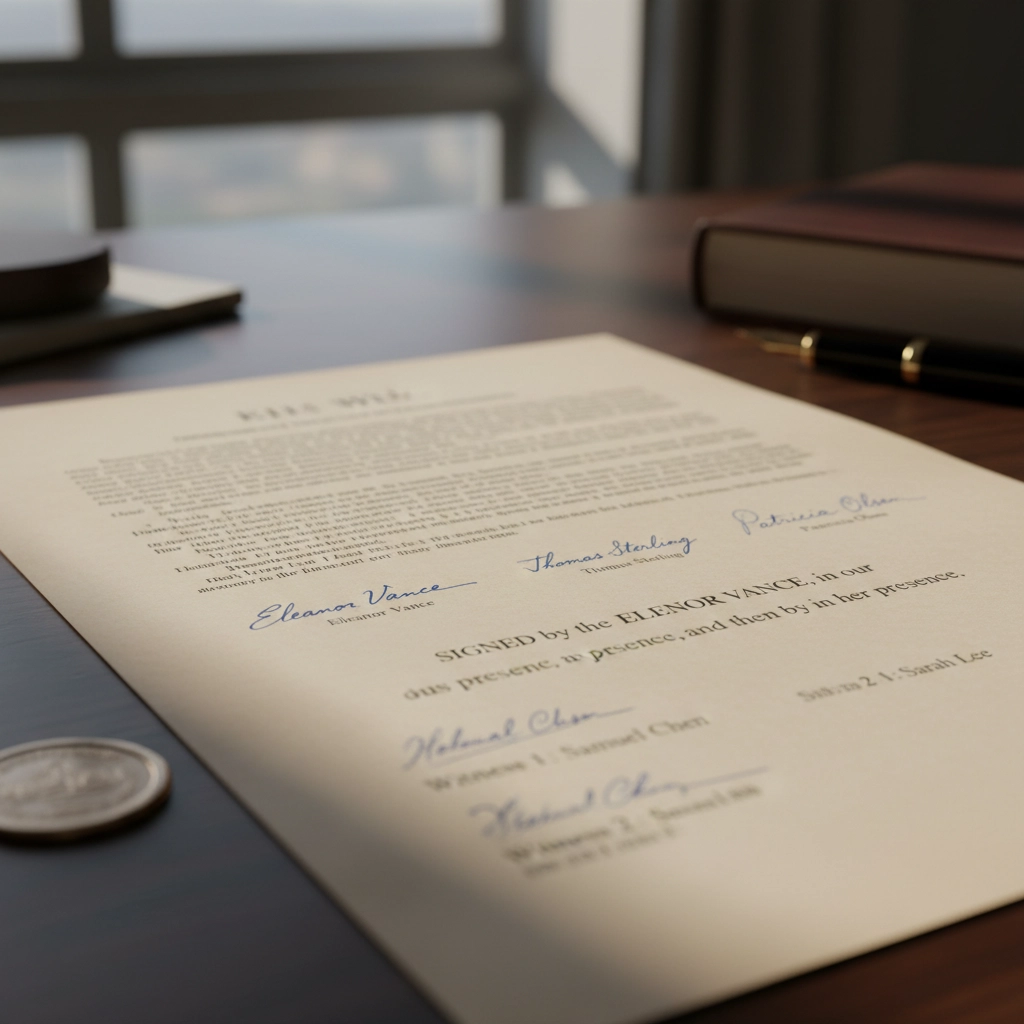
One of the most common issues leading to challenges based on improper execution involves the witnesses. Most jurisdictions require that a will be signed by the testator in the presence of two or more witnesses, who must also sign the will themselves, attesting that they witnessed the testator’s signature. The witnesses must be disinterested, meaning they are not beneficiaries named in the will or closely related to beneficiaries. If a witness is a beneficiary or closely related to one, their signature may invalidate the will or, in some jurisdictions, only invalidate the portion of the will that benefits them or their relative. The specific requirements for witness signatures, such as whether they must sign in the presence of each other or the testator, vary by jurisdiction, making it essential to comply with the relevant laws of the location where the will is executed. Failure to meet these witness requirements is a frequent basis for challenging the validity of a will.
Testator’s Signature and Acknowledgment
The testator’s signature is another critical element for the valid execution of a will. The testator must sign the will, or acknowledge their signature to the witnesses, indicating that the signature on the document is indeed theirs. If the testator is physically unable to sign, they may direct someone else to sign on their behalf, but this must be done in their presence and under their express direction, and the person signing must also sign their own name, indicating that they signed on behalf of the testator. Challenges often arise if there is doubt about whether the testator actually signed the will, whether the signature is genuine, or whether they acknowledged their signature to the witnesses. Expert handwriting analysis may be used to determine the authenticity of the signature, and witness testimony can be crucial in establishing whether the testator acknowledged their signature as required by law. Any uncertainty surrounding the testator’s signature can provide grounds for contesting the will. Those with concerns about such matters should understand their inheritance rights.
Absence of an Attestation Clause
An attestation clause is a statement at the end of the will, typically following the testator’s signature and preceding the witness signatures, that certifies the will was properly executed. It usually states that the testator declared to the witnesses that the document was their will, that they signed it in the presence of the witnesses, and that the witnesses signed in the presence of the testator and each other. While not always strictly required, the presence of an attestation clause creates a presumption of proper execution, making it more difficult to challenge the will on grounds of improper execution. Conversely, the absence of an attestation clause can make it easier to challenge the will, as it places the burden of proving proper execution on the party seeking to uphold the will’s validity. Even if an attestation clause is present, it must accurately reflect the events that occurred during the will’s execution to be effective.
Notary Public Involvement and Requirements
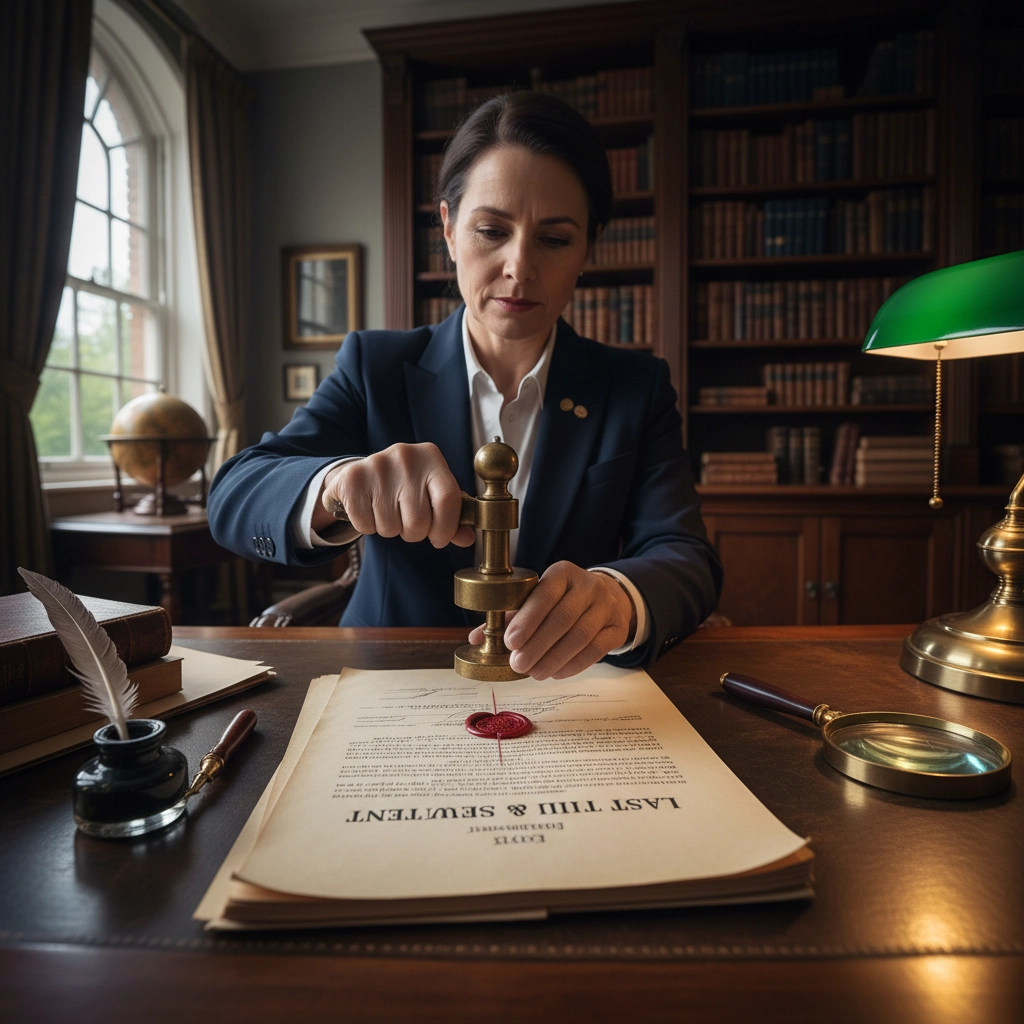
In some jurisdictions, the involvement of a notary public is required or provides an additional layer of security in the will execution process. A notary public can administer oaths and affirmations, and their signature and seal on a will can further attest to the validity of the testator’s signature and the witnesses’ signatures. If a notary is involved, they must follow specific procedures, such as verifying the identity of the testator and witnesses and ensuring they are signing the document willingly. Failure to comply with these notarial requirements can also be grounds for challenging the will. Even in jurisdictions where a notary is not strictly required for will execution, using a notary can help prevent future challenges by providing additional evidence of proper execution. The specific role and requirements for notaries vary by jurisdiction, so it’s important to understand the local laws.


Understanding Jurisdictional Differences
It is crucial to recognize that the requirements for proper will execution vary significantly from one jurisdiction to another. What constitutes a valid will in one state or country may not be valid in another. This is particularly important when a testator owns property in multiple jurisdictions or moves between jurisdictions after executing a will. The will must comply with the laws of the jurisdiction where the testator is domiciled at the time of their death, as well as potentially the laws of any jurisdiction where they own real property. These differences underscore the importance of seeking legal advice from an attorney who is familiar with the laws of the relevant jurisdiction(s) to ensure that a will is properly executed and will be upheld if challenged. Failing to account for these jurisdictional variations can lead to costly and time-consuming legal battles.
Consequences of Improper Execution
If a will is found to be improperly executed, the consequences can be significant. The will may be declared invalid, and the estate will be distributed according to the laws of intestacy, which dictate how property is divided when a person dies without a valid will. This may mean that the testator’s intended beneficiaries receive less or nothing at all, and individuals the testator did not want to benefit may inherit a portion of the estate. Alternatively, if a prior valid will exists, that will may be admitted to probate, and the estate will be distributed according to its terms. Challenging a will based on improper execution can be a complex and costly process, often requiring expert testimony and extensive legal research. However, if there is a reasonable basis to believe that the will was not properly executed, it may be necessary to protect the rights of potential beneficiaries.
Steps to Take if Improper Execution is Suspected
If you suspect that a will has been improperly executed, it is essential to take prompt action to protect your interests. The first step is to consult with an experienced probate attorney who can review the will and the circumstances surrounding its execution to determine whether there is a valid basis for a challenge. The attorney can investigate the matter further, gathering evidence such as witness statements and expert opinions, and assess the likelihood of success in a legal challenge. If a challenge is warranted, the attorney can file a petition with the probate court to contest the will’s validity. It is important to act quickly, as there are often strict deadlines for filing a will contest, and failure to meet these deadlines can result in the loss of your right to challenge the will.
Preventing Challenges Through Proper Planning
The best way to avoid challenges based on improper execution is to ensure that the will is properly drafted and executed in the first place. This involves working with an experienced estate planning attorney who is familiar with the laws of the relevant jurisdiction. The attorney can guide the testator through the process, ensuring that all legal requirements are met, including the proper selection and instruction of witnesses, the inclusion of an attestation clause, and, if desired, the involvement of a notary public. It is also important to keep the will updated to reflect any changes in circumstances, such as marriage, divorce, or the birth of children. Regular review and updates can help prevent ambiguities and ensure that the will accurately reflects the testator’s wishes.
Conclusion: The Importance of Due Diligence
Challenging a will based on improper execution is a complex legal process that requires a thorough understanding of the relevant laws and procedures. Common mistakes such as failing to meet witness requirements, improper testator signature or acknowledgment, absence of an attestation clause, and non-compliance with notarial requirements can all provide grounds for a challenge. Understanding the specific laws of the jurisdiction is crucial, as requirements vary significantly. While challenging a will can be difficult and costly, it may be necessary to protect the rights of potential beneficiaries. Ultimately, the best approach is to prevent challenges by ensuring that the will is properly drafted and executed with the guidance of an experienced estate planning attorney. This due diligence can provide peace of mind and ensure that the testator’s wishes are honored.