


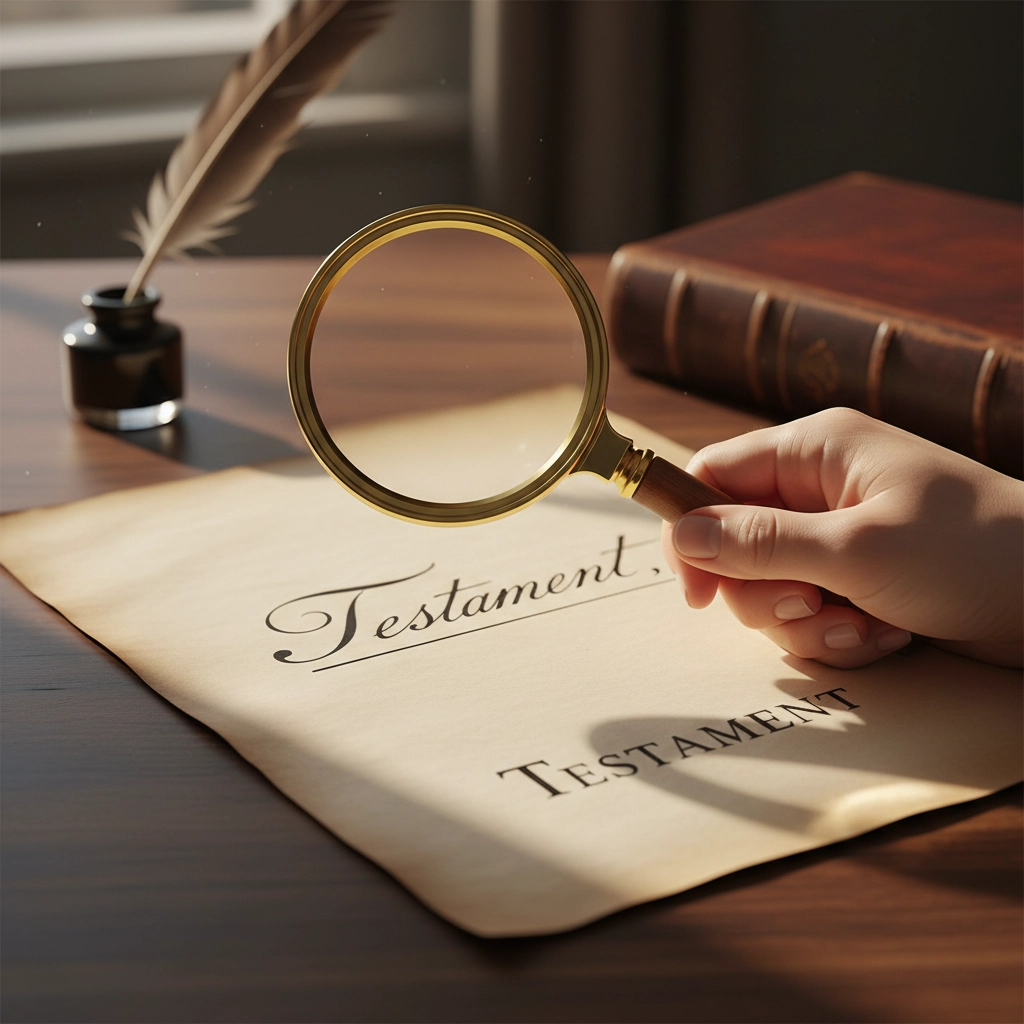
The discovery of a will often brings closure and clarity to the distribution of a deceased person’s assets. However, when the authenticity of a will is questioned, especially due to a suspicious signature, the situation can become fraught with legal complexities and emotional distress. Forgery, in the context of wills, is a serious offense, involving the fraudulent creation or alteration of a document with the intent to deceive. This act undermines the integrity of the legal system and can deprive rightful heirs of their legitimate inheritance. Understanding the intricacies of will forgery, the methods used to detect it, and the legal avenues available to challenge a fraudulent will are crucial for protecting your inheritance and ensuring justice prevails. challenging a fraudulent will
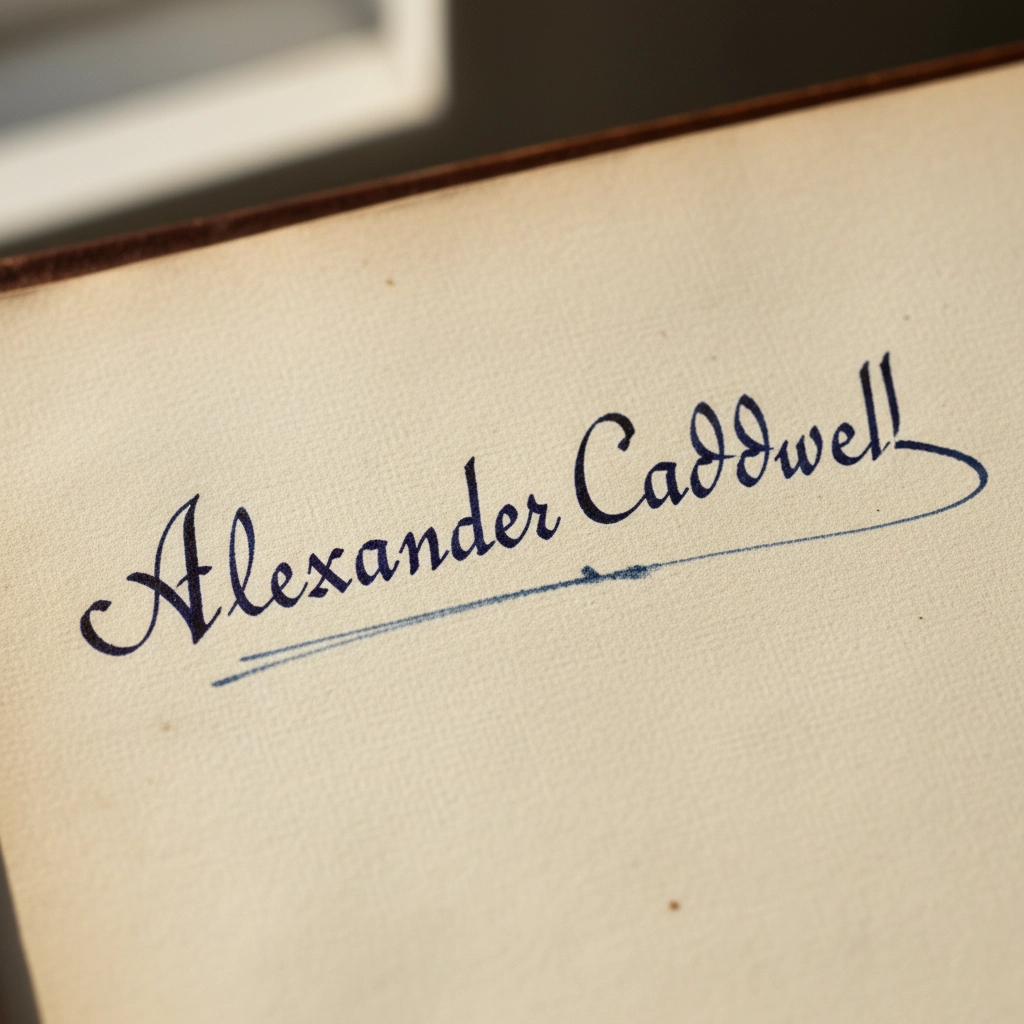

The Hallmarks of a Forged Signature
A forged signature is more than just a poorly executed imitation; it is a deliberate attempt to deceive. Several telltale signs can raise suspicion about the authenticity of a signature on a will. These include inconsistencies in the signature’s appearance compared to known samples of the deceased’s signature. Variations in pressure, pen strokes, and the overall flow of the signature can indicate that it was not written by the person whose name it bears. Often, a forger will painstakingly try to copy a signature, resulting in a slow, deliberate, and unnatural appearance, lacking the spontaneity of a genuine signature. Microscopic examination can reveal signs of hesitation, tremor, or patching, further suggesting forgery. Furthermore, the use of different ink or writing instruments than those typically used by the deceased can also be a red flag. Examining the circumstances surrounding the will’s creation, such as who was present and their relationship to the deceased, can provide additional clues about the signature’s legitimacy.
Forensic Analysis: Unveiling the Truth
When suspicion arises, forensic document examiners play a critical role in determining the authenticity of a signature. These experts utilize a combination of scientific techniques and meticulous observation to analyze the handwriting and identify potential forgeries. They compare the questioned signature with known samples of the deceased’s signature, scrutinizing every detail, from the slant and size of the letters to the spacing between words and the pressure applied to the paper. Sophisticated equipment, such as microscopes and specialized lighting, can reveal subtle differences that are invisible to the naked eye. Examiners also analyze the ink, paper, and writing instrument used to create the signature, looking for inconsistencies that might indicate fraud. In some cases, they may even be able to determine the order in which the signature and other elements of the will were written, which can be crucial in detecting alterations or additions. Forensic analysis provides objective evidence that can be presented in court to support or refute claims of forgery. The expert’s testimony can be instrumental in persuading a judge or jury to invalidate a fraudulent will. grounds for challenging a will
Gathering Evidence: Building a Strong Case
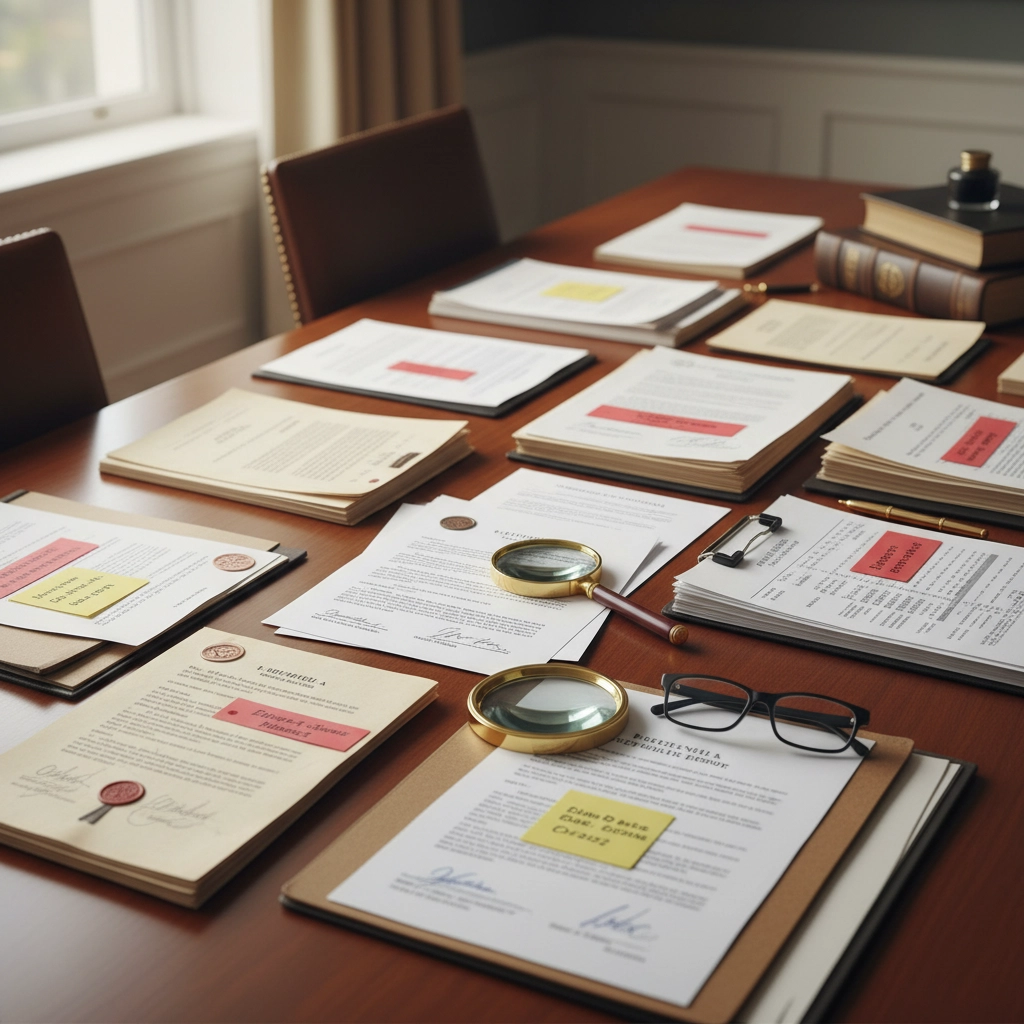
Challenging a will based on suspected forgery requires a thorough investigation and the collection of compelling evidence. This process begins with gathering as many genuine samples of the deceased’s signature as possible. These samples can be found on various documents, such as bank statements, letters, contracts, and prior wills. The more samples available, the more accurately a forensic document examiner can assess the authenticity of the questioned signature. In addition to signature analysis, it is important to gather evidence about the circumstances surrounding the will’s creation and execution. This may involve interviewing witnesses who were present when the will was signed, as well as examining the deceased’s medical records to assess their mental capacity at the time. Financial records can also be relevant, particularly if the will deviates significantly from the deceased’s previous estate plans or if there is evidence of undue influence from a beneficiary. Legal counsel can guide you through the evidence-gathering process, ensuring that all relevant information is obtained and presented effectively in court.
Legal Recourse: Challenging a Fraudulent Will
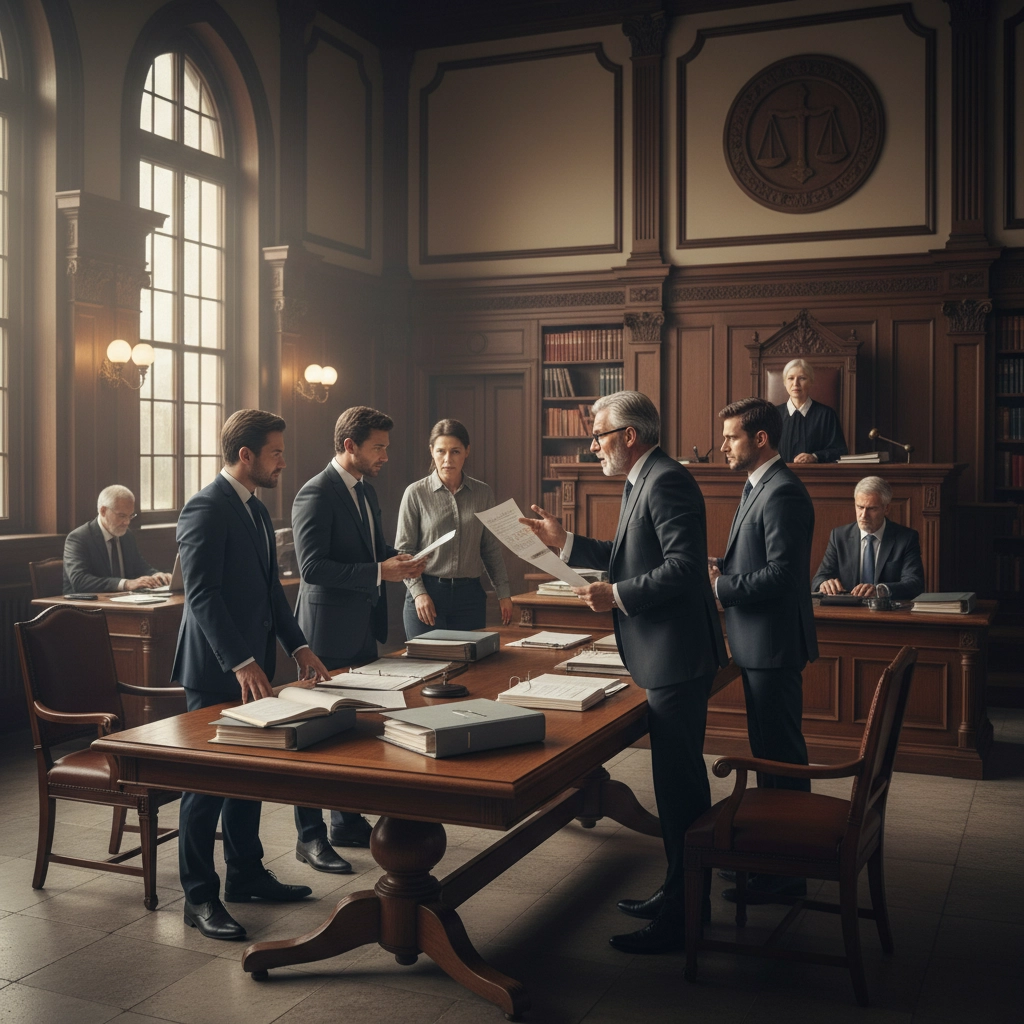
If you have reasonable grounds to believe that a will is forged, you have the right to challenge its validity in court. This process typically involves filing a petition with the probate court, outlining the reasons why you believe the will is fraudulent. The burden of proof lies with you to demonstrate that the signature is not genuine or that the will was created under suspicious circumstances. Presenting expert testimony from a forensic document examiner is crucial in establishing forgery. You may also need to present evidence of the deceased’s mental or physical condition, as well as any evidence of undue influence or fraud on the part of the beneficiaries. The court will consider all of the evidence presented and make a determination as to the will’s validity. If the court finds that the will is indeed a forgery, it will be declared invalid, and the deceased’s estate will be distributed according to the laws of intestacy or a prior valid will. will contests are complex legal proceedings Challenging a will can be a complex and time-consuming process, so it is essential to seek the guidance of an experienced probate attorney who can protect your rights and advocate for your interests.


Protecting Your Inheritance: Vigilance and Proactive Measures
Preventing will forgery requires vigilance and proactive measures. While it is impossible to guarantee that a will will never be challenged, there are steps you can take to minimize the risk of fraud. When creating or updating your will, it is important to work with a reputable attorney who can ensure that the document is properly drafted and executed. Choose witnesses who are trustworthy and have no financial interest in the will. Consider including a self-proving affidavit, which is a sworn statement signed by the testator and witnesses in the presence of a notary public, attesting to the validity of the will. This affidavit can help to streamline the probate process and reduce the likelihood of challenges. Keep your will in a safe and secure location, and inform your trusted family members or friends of its existence and location. Regularly review your will and update it as needed to reflect changes in your circumstances or wishes. By taking these precautions, you can help to protect your estate from fraud and ensure that your assets are distributed according to your intentions.
In conclusion, uncovering will forgery requires a keen eye, meticulous investigation, and a thorough understanding of legal procedures. Suspicious signatures should be promptly examined by forensic experts, and compelling evidence should be gathered to support any challenges to the will’s validity. While challenging a will can be an arduous process, it is a necessary step to protect your inheritance and ensure justice. By remaining vigilant and taking proactive measures, you can safeguard your estate and ensure that your wishes are honored. Seeking professional legal advice is paramount in navigating the complexities of will forgery and preserving your rightful inheritance.