



Understanding Real Estate Law Fundamentals
Real estate law can seem daunting, especially for beginners venturing into property transactions. This guide aims to demystify the legal landscape, providing essential knowledge to avoid common and costly mistakes. Whether you’re a first-time homebuyer, a budding investor, or simply curious about the legal aspects of real estate, this information will equip you with the necessary tools to navigate the complexities with confidence. From understanding different types of property ownership to recognizing potential legal red flags, proactive knowledge is your best defense against unforeseen issues.


Due Diligence: The Cornerstone of Smart Investing
Before committing to any real estate transaction, thorough due diligence is paramount. This involves investigating various aspects of the property, including its history, condition, and legal standing. A title search, discussed in more detail later, is a crucial part of this process. Additionally, consider obtaining a professional property inspection to identify any hidden structural or mechanical problems. Failing to conduct adequate due diligence can lead to unexpected expenses, legal disputes, and even the loss of your investment. Remember, a little effort upfront can save you significant headaches down the road.
Common Legal Mistakes to Avoid
One of the most frequent errors is neglecting to carefully review all documents before signing. Real estate contracts are legally binding agreements, and it’s essential to understand every clause and condition. Don’t hesitate to seek legal advice from a qualified real estate attorney who can explain complex jargon and ensure your interests are protected. Another common mistake is underestimating the importance of proper insurance coverage. Ensure you have adequate insurance to protect against potential risks such as fire, natural disasters, and liability claims. Furthermore, be wary of verbal agreements, as they are often difficult to enforce in a court of law. Always insist on written contracts that clearly outline the terms and conditions of the agreement.

Understanding Property Ownership Types
The way you own property can have significant legal and financial implications. Common types of ownership include sole ownership, tenancy in common, joint tenancy, and tenancy by the entirety. Sole ownership means you own the property outright, while tenancy in common allows multiple owners to have unequal shares of the property, with each owner able to transfer their share independently. Joint tenancy, on the other hand, includes the right of survivorship, meaning that if one owner dies, their share automatically passes to the surviving owners. Tenancy by the entirety is a form of joint ownership available only to married couples and also includes the right of survivorship. Choosing the appropriate ownership structure depends on your individual circumstances and goals, and it’s advisable to consult with an attorney to determine the best option for you.
Navigating Zoning Laws and Regulations
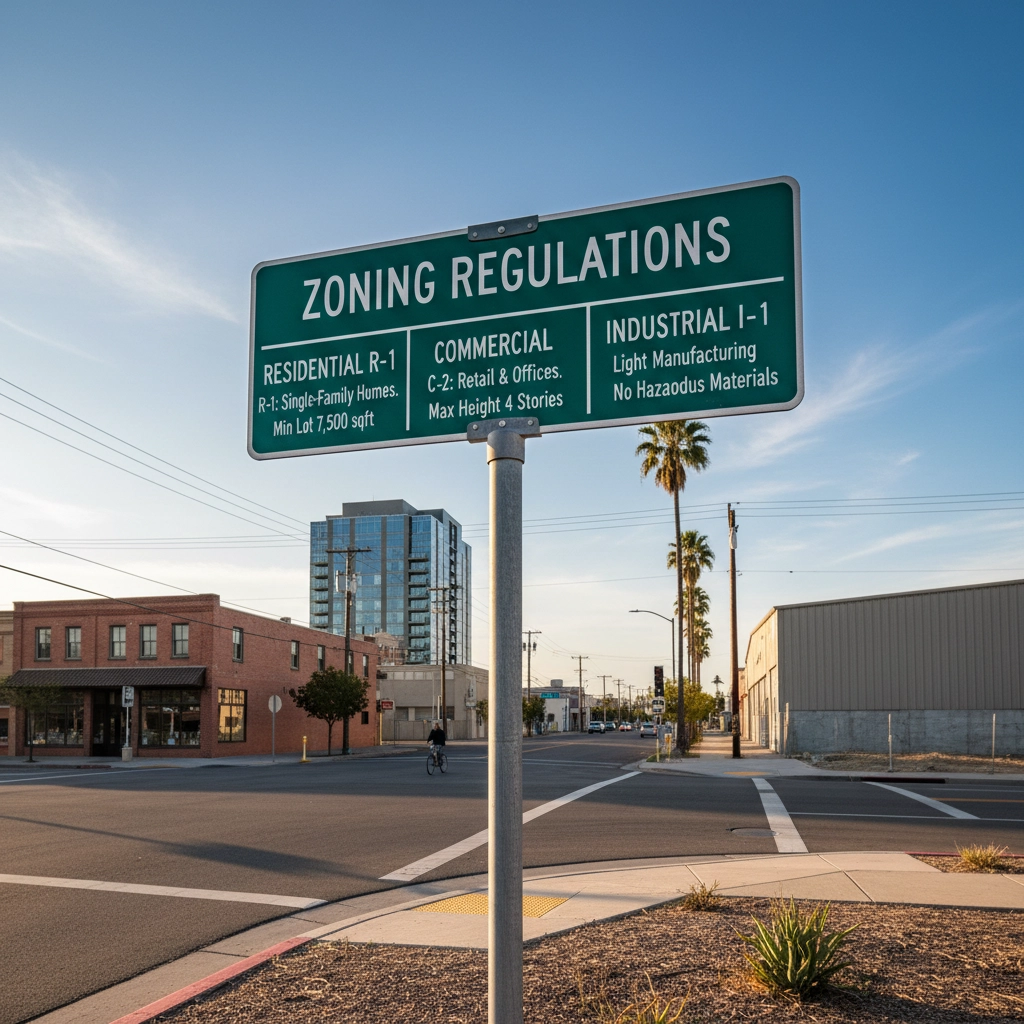
Zoning laws and regulations dictate how land can be used within a particular area. These laws can impact everything from building height and setbacks to permitted uses, such as residential, commercial, or industrial. Before purchasing property, it’s essential to understand the applicable zoning regulations and ensure that your intended use complies with these rules. Violating zoning laws can result in fines, legal action, and even the forced removal of structures. You can typically find zoning information at your local city or county planning department. Additionally, be aware of any homeowners’ association (HOA) rules and regulations that may further restrict your use of the property.


Securing Your Real Estate Future
Mastering the basics of real estate law is crucial for anyone involved in property transactions. By understanding your rights and responsibilities, conducting thorough due diligence, and seeking professional legal advice when needed, you can minimize your risk and maximize your chances of success in the real estate market. Remember, knowledge is power, and a well-informed decision is always the best investment.
Title Search Strategies for Secure Property Investments
The Importance of a Pristine Title
A title search is a critical step in any real estate transaction. It’s an investigation into the history of a property to ensure that the seller has the legal right to transfer ownership and that there are no outstanding claims or encumbrances that could jeopardize your investment. A “clean” title means that there are no liens, encumbrances, or other defects that could cloud your ownership rights. Failing to conduct a thorough title search can expose you to significant financial risks and legal headaches down the line.
What Does a Title Search Uncover?
A title search typically involves examining public records, such as deeds, mortgages, court judgments, tax liens, and other documents that could affect the ownership of the property. The search aims to uncover any potential issues that could cloud the title, such as unpaid taxes, outstanding mortgages, easements, boundary disputes, or fraudulent transfers. It also verifies the legal description of the property and ensures that the seller is the rightful owner with the authority to sell. The title search process usually involves a title company or attorney who specializes in real estate law.
Understanding Title Insurance
Title insurance is a form of indemnity insurance that protects you against financial loss resulting from defects in the title to your property. It provides coverage for legal fees and other expenses incurred in defending your ownership rights, as well as compensation for any losses you may suffer if a title defect is discovered after you purchase the property. There are two main types of title insurance: owner’s policy and lender’s policy. An owner’s policy protects the buyer, while a lender’s policy protects the mortgage lender. It’s generally advisable to purchase an owner’s policy to safeguard your investment.
The Title Search Process: A Step-by-Step Guide
The title search process typically begins with ordering a title report from a title company or attorney. The title company will then conduct a search of the public records to identify any potential issues with the title. Once the search is complete, the title company will issue a title report, which summarizes the findings of the search and lists any exceptions to the title insurance policy. It’s important to carefully review the title report and discuss any concerns with your attorney. If any title defects are discovered, they must be resolved before closing on the property. This may involve obtaining releases of liens, clearing up boundary disputes, or taking other corrective actions.
Common Title Defects to Watch Out For
Several common title defects can arise during a title search. These include unpaid property taxes, which can result in a tax lien being placed on the property. Outstanding mortgages or other liens, such as mechanic’s liens for unpaid construction work, can also cloud the title. Easements, which grant third parties the right to use a portion of your property, can also affect your ownership rights. Boundary disputes with neighboring properties can also create title issues. Finally, fraudulent transfers or forgeries in the chain of title can invalidate the ownership of the property.
Protecting Your Investment with a Clean Title
A thorough title search and title insurance are essential for protecting your real estate investment. By uncovering any potential title defects before closing, you can avoid costly legal battles and ensure that you have clear and marketable title to your property. Don’t underestimate the importance of this process; it’s a critical safeguard against unforeseen risks and a key component of a successful real estate transaction.
Landlord Strategies: Tenant Relations and Lease Management
Crafting a Solid Lease Agreement
The lease agreement is the foundation of the landlord-tenant relationship. It outlines the rights and responsibilities of both parties and serves as a legally binding contract. A well-drafted lease agreement should clearly define the term of the lease, the amount of rent, the due date, and any late payment penalties. It should also address important issues such as security deposits, maintenance responsibilities, pet policies, and rules regarding subletting or assignment of the lease. A comprehensive lease agreement can help prevent misunderstandings and disputes down the road.
Tenant Screening and Selection
Selecting the right tenants is crucial for a successful landlord-tenant relationship. Thorough tenant screening can help you identify responsible and reliable renters who are likely to pay rent on time and take care of the property. The screening process typically involves checking credit reports, verifying employment and income, and contacting previous landlords for references. Be sure to comply with all fair housing laws and avoid discriminating against potential tenants based on protected characteristics such as race, religion, or family status. A consistent and objective screening process can help you minimize the risk of проблемные tenants.
Maintaining the Property: Landlord Responsibilities
Landlords have a legal obligation to maintain the property in a safe and habitable condition. This includes providing essential services such as heat, water, and electricity, as well as making necessary repairs to keep the property in good working order. The specific maintenance responsibilities of the landlord are often outlined in the lease agreement or required by state and local laws. Failure to maintain the property can result in legal action from tenants and potential liability for injuries or damages. Regular inspections and prompt attention to maintenance requests are essential for protecting your investment and maintaining positive tenant relations.
Handling Rent Collection and Late Payments
Establishing clear procedures for rent collection is essential for ensuring timely payments and minimizing delinquencies. The lease agreement should specify the acceptable methods of payment, such as check, money order, or online payment. It should also outline the consequences of late payments, including late fees and potential eviction. It’s important to enforce these policies consistently and fairly. When a tenant is late with rent, it’s best to communicate with them promptly to understand the reason for the delay and work out a payment plan if possible. However, if the tenant fails to pay rent despite repeated attempts to collect, you may need to initiate eviction proceedings.
Dealing with Lease Violations and Evictions
When a tenant violates the terms of the lease agreement, such as by damaging the property, disturbing other tenants, or engaging in illegal activities, you may have grounds for eviction. However, it’s important to follow the proper legal procedures for eviction to avoid potential liability. This typically involves serving the tenant with a written notice to vacate the premises, giving them a certain amount of time to cure the violation or move out. If the tenant fails to comply, you may need to file an eviction lawsuit in court. The eviction process can be complex and time-consuming, so it’s advisable to seek legal advice from an attorney experienced in landlord-tenant law.
Fostering Positive Tenant Relationships
Building strong relationships with your tenants can lead to increased tenant satisfaction, reduced turnover, and a more profitable rental business. Treat your tenants with respect and courtesy, and be responsive to their needs and concerns. Communicate clearly and promptly, and address maintenance requests in a timely manner. Consider offering incentives for lease renewals or referrals. By creating a positive and supportive living environment, you can attract and retain качественные tenants who will take care of your property and pay rent on time.
Negotiating Real Estate Deals: Essential Contract Clauses
The Purchase Agreement: A Binding Contract
The real estate purchase agreement is a legally binding contract that outlines the terms and conditions of a property sale. It’s a crucial document that protects the interests of both the buyer and the seller. Negotiating the terms of the purchase agreement is a critical step in the real estate transaction process. Understanding the key clauses and how to negotiate them effectively can help you achieve your desired outcome and avoid potential disputes down the road.
Essential Clauses to Include
Several essential clauses should be included in every real estate purchase agreement. These include the purchase price, the closing date, the earnest money deposit, and any contingencies that must be met before the sale can be finalized. The agreement should also clearly define the property being sold, including its legal description and any included fixtures or appliances. Other important clauses to consider include provisions for inspections, financing, title insurance, and remedies for breach of contract.
Contingency Clauses: Protecting Your Interests
Contingency clauses allow the buyer to back out of the purchase agreement without penalty if certain conditions are not met. Common contingencies include financing contingencies, which allow the buyer to cancel the sale if they are unable to obtain a mortgage; inspection contingencies, which allow the buyer to have the property inspected and cancel the sale if significant defects are discovered; and appraisal contingencies, which allow the buyer to cancel the sale if the property appraises for less than the purchase price. Contingency clauses provide valuable protection for buyers and should be carefully considered when negotiating the purchase agreement.
Negotiating the Purchase Price
The purchase price is often the most heavily negotiated term in a real estate transaction. Factors that can influence the purchase price include the condition of the property, the location, the current market conditions, and the negotiating skills of the parties involved. Buyers typically want to pay the lowest possible price, while sellers want to receive the highest possible price. To negotiate effectively, it’s important to research comparable sales in the area and understand the market value of the property. Be prepared to make offers and counteroffers, and be willing to walk away if the price is not right.
Addressing Repairs and Credits
During the inspection process, the buyer may discover defects or needed repairs on the property. The purchase agreement should outline how these repairs will be addressed. The buyer may request that the seller make the repairs before closing, or the buyer may request a credit at closing to cover the cost of the repairs. Negotiating these issues can be challenging, but it’s important to reach an agreement that is fair to both parties. In some cases, the parties may agree to split the cost of the repairs or to adjust the purchase price to reflect the condition of the property.
Ensuring a Smooth Real Estate Transaction
Negotiating the real estate purchase agreement is a crucial step in the property buying or selling process. By understanding the key clauses, using contingency clauses effectively, and negotiating the purchase price and repair issues skillfully, you can protect your interests and achieve your desired outcome. Remember to seek legal advice from a qualified real estate attorney to ensure that your rights are protected and that the purchase agreement is legally sound.
Tenant Rights: Navigating the Eviction Process
Understanding Your Rights as a Tenant
As a tenant, you have certain rights that are protected by law. These rights vary depending on the state and local laws, but they generally include the right to a safe and habitable living environment, the right to privacy, and the right to be free from discrimination. It’s important to understand your rights as a tenant so that you can protect yourself from unfair or illegal practices by your landlord.
Grounds for Eviction: What Landlords Can and Cannot Do
Landlords can only evict tenants for certain legal reasons, such as nonpayment of rent, violation of the lease agreement, or engaging in illegal activities on the property. Landlords cannot evict tenants for discriminatory reasons, such as based on their race, religion, or family status. Landlords also cannot evict tenants in retaliation for asserting their rights, such as reporting code violations or requesting repairs. If your landlord attempts to evict you for an illegal reason, you may have grounds to fight the eviction.
The Eviction Process: A Step-by-Step Guide
The eviction process typically begins with the landlord serving the tenant with a written notice to vacate the premises. The notice must state the reason for the eviction and give the tenant a certain amount of time to cure the violation or move out. If the tenant fails to comply with the notice, the landlord can file an eviction lawsuit in court. The tenant will then be served with a summons and complaint, and they will have a certain amount of time to respond to the lawsuit. If the tenant fails to respond or if the court rules in favor of the landlord, the tenant will be ordered to vacate the premises.
Defending Yourself Against Eviction
If you are facing eviction, there are several steps you can take to defend yourself. First, review the eviction notice and the lease agreement to determine if the landlord has a valid reason for the eviction. If you believe the eviction is unlawful, you can file a response with the court and present your case at a hearing. You may be able to argue that the landlord has failed to maintain the property, that the eviction is retaliatory, or that the landlord has discriminated against you. It’s advisable to seek legal advice from an attorney experienced in landlord-tenant law.
Seeking Legal Assistance and Resources
If you are facing eviction, it’s important to seek legal assistance as soon as possible. Many legal aid organizations and tenant advocacy groups offer free or low-cost legal services to tenants who cannot afford an attorney. These organizations can help you understand your rights, navigate the eviction process, and represent you in court. You can also contact your local bar association or search online for attorneys specializing in landlord-tenant law.
Protecting Your Housing Rights
Understanding your rights as a tenant is essential for protecting yourself from unfair or illegal evictions. By knowing your rights, following the proper procedures, and seeking legal assistance when needed, you can increase your chances of successfully defending yourself against eviction and maintaining your housing stability. Remember, you are not alone, and there are resources available to help you navigate the eviction process.